
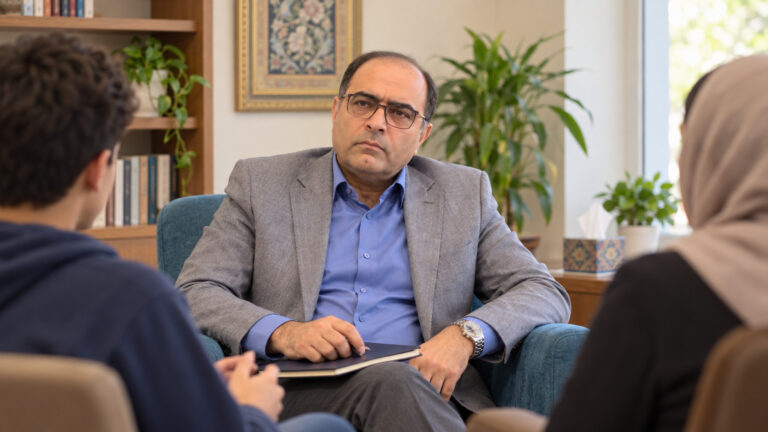
Speaking to an ISCA News reporter about the psychology of why school pupils turn to drugs or stimulants, Dr Bahman Bahmani said: adolescents seek variety, pleasure and change, and have not learned the skills to defend themselves against these threats; the education they receive is neither right nor enough.
Profit-seeking groups pursue their aims by targeting vulnerable people, such as adolescents and young people who have not been well trained to deal with threats. Pupils are drawn to drugs and use them out of curiosity, to prove themselves to friends, to overcome fear, and so on.
After taking drugs, the body reacts physiologically and becomes dependent on the substance, resulting in psychological disorders in adults and emotional problems in pupils.
Becoming addicted is neither complicated nor hard: it is enough to use drugs or stimulants a few times. After repeated use, the person is no longer in control of their use, because the body has grown used to the substance, and now it is the body that craves this destructive substance.
The most important problems seen in schools today are a lack of meaningful content, too little physical activity, no outlets for pupils to release their emotions, and a lack of purpose, vitality and joy — basic shortcomings in schools and in society.
Unfortunately, schools have fixed only studying in pupils’ minds, which makes them one-dimensional and unable to think about the issues and dilemmas that arise at their age.
Over several years we have had a number of comprehensive education plans, none of which has benefited either the curriculum or the pupils. In fact, education has moved towards form rather than towards content and pupils’ needs, and little attention is paid to those needs. All these reasons push pupils towards nihilism and avoiding responsibility, and in the end towards using drugs or stimulants.
Interview by an ISCA News reporter with Dr Bahman Bahmani, PhD in counselling and associate professor, University of Social Welfare and Rehabilitation Sciences
Azar 1396 (November–December 2017)